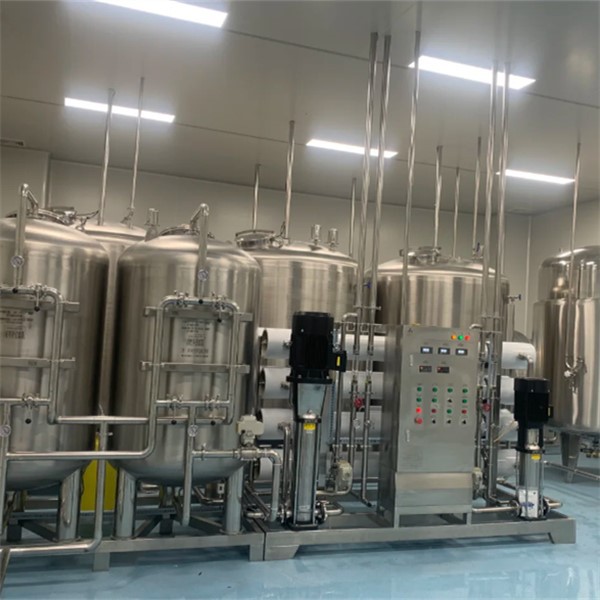
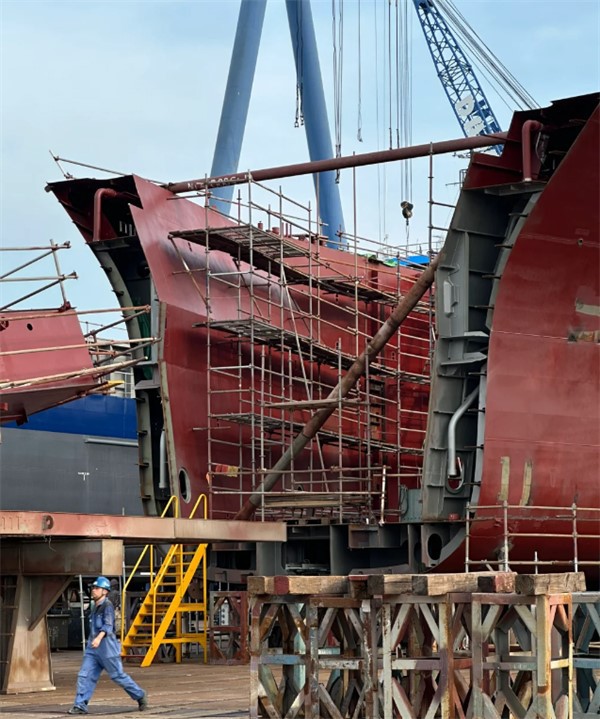
Hull structure is the skeleton and shell of a ship, which directly determines the bearing capacity, navigation performance, safety and service life of the ship. As the main body of a ship, the hull must bear complex load combinations: hydrostatic pressure, wave impact, cargo weight, vibration of machinery and equipment and potential collision risk at sea. Modern ship design pursues lightweight while ensuring structural strength, so as to improve energy efficiency and cargo carrying capacity.
Advantages & Key Features
Precise balance between high strength and toughness
Modern marine steel plates, such as ordinary strength A/B grade steel and high strength AH32/DH36/EH40 series, have realized the optimal combination of strength and toughness through microalloying and controlled rolling and cooling technology. High strength can reduce the thickness of steel plate, significantly reduce the weight of empty ship, thereby increasing cargo capacity or reducing fuel consumption; Excellent low-temperature toughness (especially E-grade steel) ensures that ships can resist the risk of brittle fracture at low temperature when sailing in polar regions or cold seas.
Excellent plasticity and processability.
The hull has a complex curved surface structure, from the straight side plate to the bow outer plate with hyperbola. Steel (especially marine steel) has good cold and hot workability, and complex hull lines can be accurately shaped by cold bending, hot and cold bending or rolling forming with a large press. This plasticity is the key for steel ships to achieve streamlined design and reduce navigation resistance.
Mature welding technology and construction efficiency
The weldability of steel is the basis for modern ships to adopt sectional construction method. The hull is divided into hundreds of prefabricated sections, which are efficiently welded in the workshop and then assembled and folded in the dock. Mature automatic welding technologies, such as submerged arc welding and CO gas shielded welding, ensure large-scale, high-quality and high-efficiency construction, so that hundreds of thousands of tons of ships can be built in a short time.
Excellent fatigue resistance and breakage safety
When a ship sails in waves, the hull structure bears hundreds of millions of alternating stress cycles. Marine steel and its welded joints have good fatigue resistance and can effectively inhibit crack initiation and propagation. In addition, the ductility of steel enables the hull to absorb energy through plastic deformation in case of local damage (such as collision), so as to prevent catastrophic brittle fracture and gain time for personnel evacuation and emergency treatment.
Typical Applications
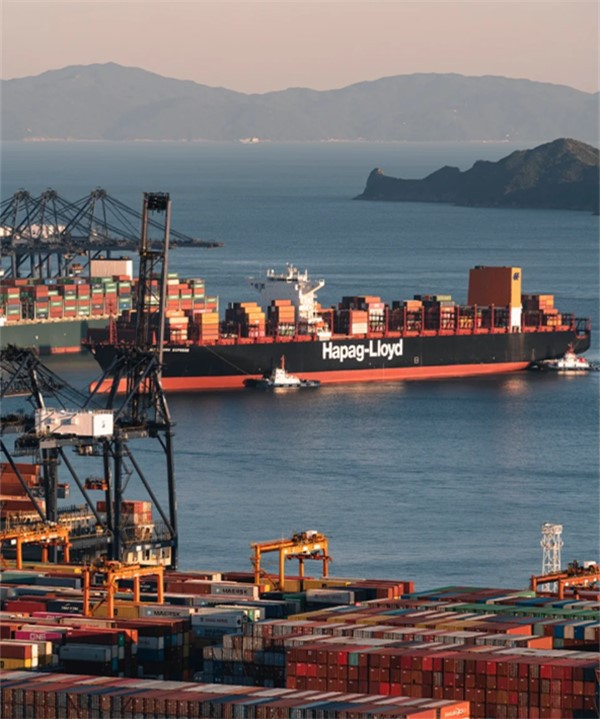
The main hull of large container ships
Deck, sides, and bottom plating are widely made of high-strength steel EH36/EH40 to withstand enormous longitudinal bending moments and concentrated loads.
Double bottom and inner shell of VLCC
High-strength steel is used to reduce the structural weight, and corrosion-resistant steel plates are used in key parts (such as cargo hold area) or wear-resistant/corrosion-resistant coatings are sprayed in the air.
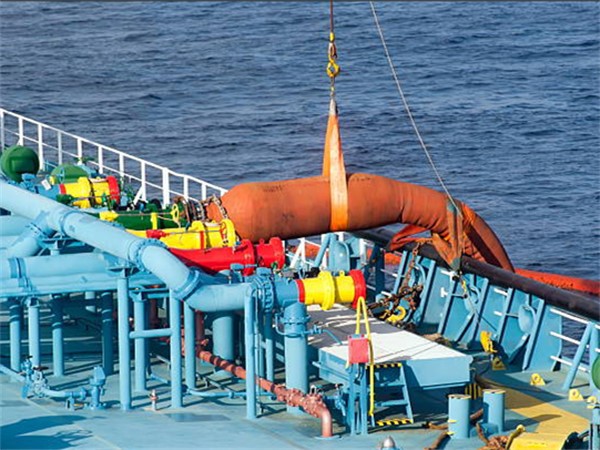
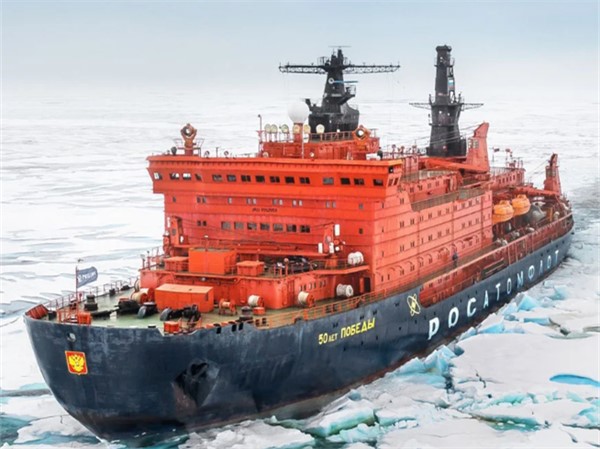
Strengthening structure of polar icebreaker in ice area
The hull and bow column near the waterline are made of special marine steel with higher strength and toughness (such as Arctic grade of EH36/40) to resist the extrusion and impact of ice.
Membrane enclosure system for liquefied natural gas (LNG) carrier
Although the cargo tank itself is made of stainless steel or invar alloy membrane, the whole main hull structure (secondary shield and hull) outside it is made of high-strength marine steel to provide core support and protection.
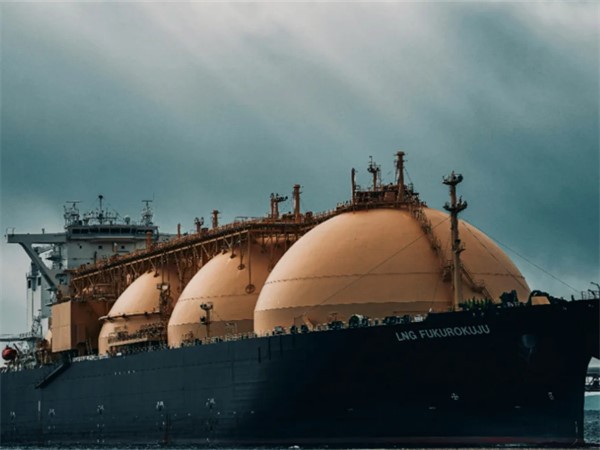

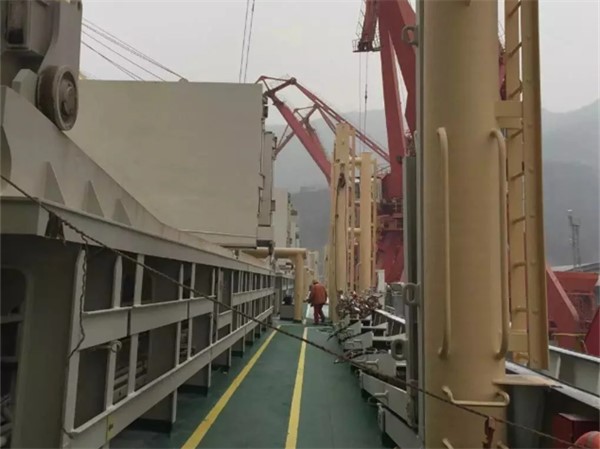
The ship piping system is like the ship's 'circulatory system' and 'nervous system', running throughout the entire vessel. It is responsible for conveying fuel oil, lubricating oil, seawater, fresh water, steam, air, as well as various hydraulic oils and chemicals. Its functions cover almost all aspects including power supply, ship balance, fire fighting, living support, and cargo handling. The piping system must reliably operate for several decades in harsh environments characterized by underwater conditions, high humidity, vibration, and large temperature variations.
Advantages & Key Features
Excellent pressure and temperature resistance.
The ship's main steam pipeline, high-pressure fuel injection pipe and hydraulic system pipeline all work under high pressure (up to 30MPa) and high temperature (up to 500°C for main steam). Seamless carbon steel pipes (such as 20# steel) and alloy steel pipes (such as 1Cr0.5Mo alloy steel for steam) are reliable choices to ensure the safe operation of these key systems because of their high strength and stability in a wide temperature range.
Reliable pedigree of corrosion-resistant materials
There are mature material selection schemes for different conveying media:
- Seawater system: traditionally, galvanized carbon steel pipes are used, while modern large ships use copper-nickel alloy (90/10 or 70/30 CuNi) pipes with more cost advantages and corrosion resistance, or high-quality 316L stainless steel pipes.
- Fuel oil/lubricating oil system: carbon steel seamless pipes are generally used, but for the corrosion of high-sulfur fuel, materials with better corrosion resistance may be used or anti-corrosion measures may be added.
- Cargo pipeline of chemical tanker: According to cargo characteristics, 316L stainless steel, duplex stainless steel (such as 2205) or even nickel-based alloy (such as Hastelloy C-276) may be used.
Excellent vibration and impact resistance.
The ship pipeline is accompanied by the vibration of main engine and auxiliary engine and the impact of ship movement for a long time. Steel (especially metal pipeline) has high structural stiffness and strength. Through reasonable support design and elastic support, resonance can be effectively suppressed, joint looseness or pipeline rupture caused by fatigue can be prevented, and the long-term integrity of the system in dynamic environment can be ensured.
Mature standardization and maintenance convenience
Marine steel pipes, fittings, flanges and valves have been highly standardized (such as ISO, JIS, GB/T standards), which is convenient for global procurement and replacement. During the ship's life cycle of 20-30 years, it is inevitable that pipelines need to be maintained or replaced. The cuttable and weldable characteristics of steel pipes make on-site maintenance and local replacement relatively fast and economical.
Typical Applications
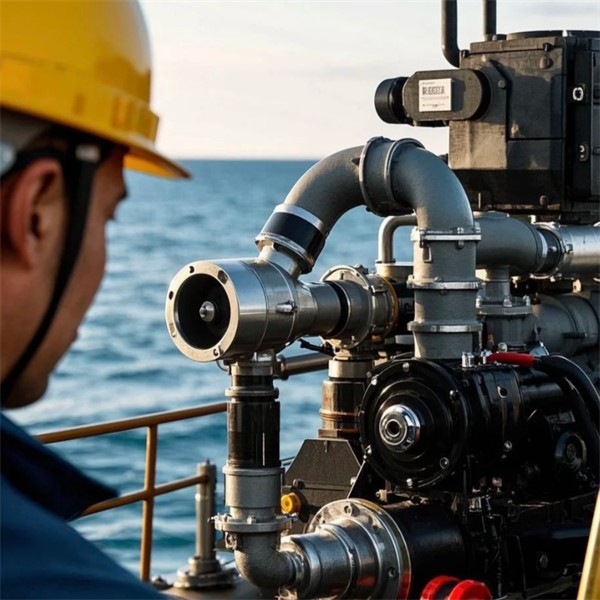
Fuel high-pressure common rail pipe of marine main propulsion diesel engine
High-strength alloy seamless steel pipe is used, and the inner wall requires extremely high smoothness to withstand the injection pressure exceeding 100MPa.
Seawater main pipe of ship central cooling system
90/10 copper-nickel alloy pipe or imported special epoxy coated carbon steel pipe is often used for large ships to resist seawater corrosion and marine organism attachment.
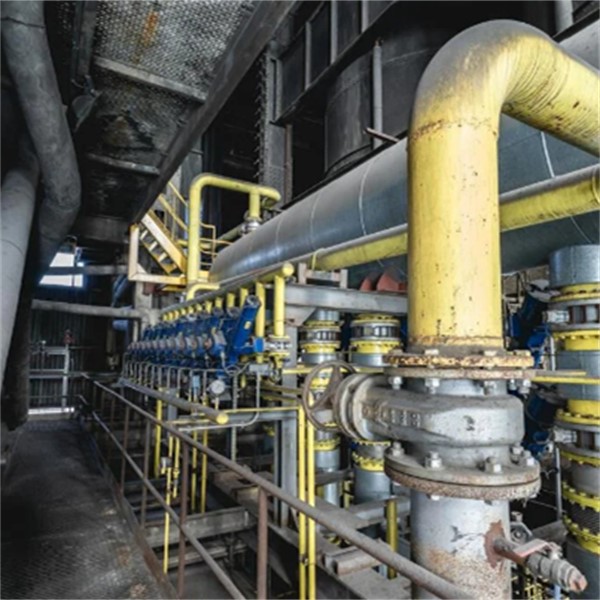

Low-temperature pipeline of liquefied gas carrier (LNG/LPG)
The pipeline transporting-163 C LNG must use austenitic stainless steel (such as 304L) or nickel steel (such as 9%Ni steel) to ensure the toughness at extremely low temperature.
Cabin pipeline of ballast water system
Galvanized carbon steel pipe or epoxy coated carbon steel pipe is usually used to balance the cost and the demand of seawater corrosion resistance.